

Is Your Roof Still Performing — Or Quietly Breaking Down?
The hidden reasons many “30-year” roofs wear out early — even before leaks show up.
Most roof failures begin as small system issues — not one dramatic storm.
No pressure. Just clarity — so you know what matters and what doesn’t.
The High-Stress Areas That Matter Most
The hard truth most homeowners aren’t told: early roof failure is rarely one dramatic defect.
It’s usually a handful of small breakdowns across the system — water flow, flashing transitions, ventilation behavior, and material fatigue over time.
This section shows the areas we inspect first — because they fail first.
VALLEYS & WATER PATHS
Valleys and slope changes carry the highest water volume. During heavy or wind-driven rain, small alignment issues can redirect water where it doesn’t belong — long before you see an interior leak.
WALL & CHIMNEY FLASHING
These transition zones move at different rates as temperatures change. Flashing is designed to stay watertight through that movement — but small gaps, aged sealant, or missing layers quietly become the weak link.
VENTILATION BALANCE
When intake and exhaust aren’t balanced, attics trap heat and moisture. That internal stress accelerates shingle aging and can create condensation conditions that shorten roof life — even when the exterior still looks “fine.”
PENENTRATIONS (PIPES, VENTS, FASTENERS)
Penetrations are small, but they carry outsized risk. Rubber components and seal details often age faster than shingles, and tiny failures around pipes and vents can allow moisture entry in subtle ways.
EDGES, DRAINAGE & GUTTERS
Roof edges handle water exit, wind uplift forces, and debris buildup. If drainage is restricted or edge details are incomplete, water can back up at the perimeter — stressing the system at the exact place it’s meant to release water cleanly.
MATERIAL FATIGUE
Over time, shingles and seals naturally lose flexibility. As materials stiffen, they’re less able to adapt to thermal expansion, contraction, and wind events — which is why “looks okay” doesn’t always mean “still performing.”
Jump to a section
If you’re looking for a specific explanation, you can jump directly to the section that matters most to you. (Click at Bullets)
- The Quiet Reality of Roof Failure
- Why Some Roofs Fail Earlier Than Others
- Why "30-Year Shingles" Rarely Perform for 30 Years
- The Most Common Failures Mechanisms
- Why "Free Inspections" Often Miss The Real Issue
- Where SBS Polymer-Modified Shingles Fits
- The Role of a Roof & Attic Evaluation
- The 6 Integrity System
- Ready for Clarity?
Ready for Clarity
A roof & attic evaluation helps clarify what’s actually happening — before decisions are made.
Findings may indicate a targeted repair, continued monitoring, or replacement only when it’s truly necessary.
Why Leaks Are Usually The Last Symptom?
By the time water shows up inside your home, the roofing system has often been under stress for years.
A leak rarely marks the beginning — it usually signals that multiple protective layers have already been compromised.
FAILURE HAPPENS IN STAGES
Roofing systems rarely fail all at once.
Heat, moisture, and movement slowly reduce the roof’s margin of safety.
The early signs often aren’t visible from the ground.
INTERIOR DAMAGE COMES LATE
Shingles, underlayment, and decking can absorb and redirect small moisture for a long time.
That buffering delays visible symptoms indoors.
When staining appears, the system may already be past its “early warning” phase.
WHY SPOT REPAIRS OFTEN MISS THE ROOT CAUSE
Water rarely enters exactly where it shows up inside.
It can travel along framing, decking, or flashing paths before appearing indoors.
That’s why isolated patches often provide temporary relief — not long-term correction.
A BETTER QUESTION THAN “IS IT LEAKING?”
The real question is whether the roof is still managing heat, moisture, and water flow as intended.
When those systems drift, interior damage becomes a matter of time — not luck.
This is why professional evaluations focus on systems behavior – not just visible damage.
The Quiet Reality of Roof Failure
Most homeowners are surprised when they’re told their roof may be failing — especially if it isn’t leaking yet.
That reaction is completely understandable. A roof isn’t just “shingles.” It’s a working system that manages heat, moisture, water flow, and movement — every day, in every season.
Over time, roofs rarely fail from one dramatic defect.
They usually fail from small system breakdowns that quietly compound.
What This Actually Means
- Performance changes begin long before visible damage appears
- Early issues are rarely noticeable from the ground
- Many roofs seems "fine" until the system reaches a tipping point
This doesn’t automatically mean something was ignored or installed wrong.
In many cases, it’s simply the result of years of normal stress: materials aging, seal points relaxing, and critical details slowly drifting out of balance.
Roof failure is rarely one defect. It’s the cumulative effect of small system changes interacting over time.
Early roof failure is rarely the result of one defect; it’s the cumulative effect of small system changes interacting over time.
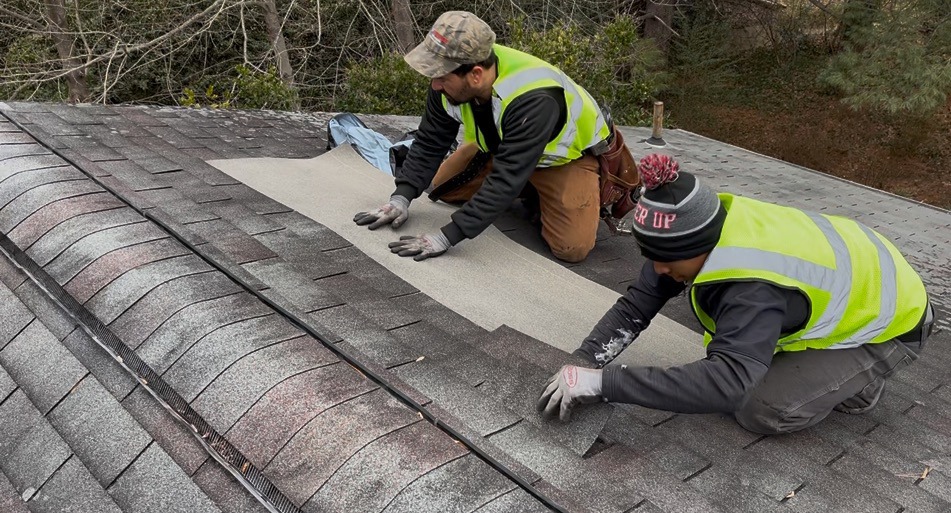
Common Early Failure Patterns
Early roof failure usually follows a recognizable pattern. These issues develop gradually, often without visible signs, as materials and details respond to long-term exposure and movement.
- Loss of sealing as materials stiffen or shift with age
- Normal expansion and contraction without enough tolerance at transitions
- Fastening points responding unevenly to long-term movement
- Surface wear that accelerates aging once protection weaken
- Moisture behavior changing long before leaks appear indoors
None of these conditions are dramatic on their own. Over time, however, they begin to interact — reducing the system’s ability to shed water, manage heat, and adapt to movement.
Why Some Roofs Fail Earlier Than Others
Roofs don’t fail on a universal timeline. Two homes can face similar weather – and still age very differently.
It’s rarely one defect
Early roof failure is rarely caused by a single broken component or obvious mistake. More often, it’s the cumulative effect of small changes inside the roofing system — changes that develop quietly as the roof responds to normal stress over time.
Some roofs absorb that stress evenly. Others become more sensitive as movement, moisture, and sealing behavior shift season after season. The difference isn’t dramatic — and it isn’t immediate.
Why the difference is hard to see
Many of the factors that influence roof lifespan don’t show clearly from the ground — and may not appear during surface-only inspections.
Over time, roofs begin to age differently based on how well they manage:
– Long term sealing reliability
– Repeated expansion and contraction
– Moisture movement through the assembly
– Stress concentration at edges and transitions
In most cases, early failure isn’t the result of one obvious event — it’s how these behaviors combine and compound over time.
Why “30-Year” Shingles” Rarely Perform for 30 Years
Many homeowners are told their roof is a “30-year roof,” but that number is a classification — not a real-world lifespan.
In practice, standard asphalt shingles often lose flexibility and sealing performance much earlier due to normal heat exposure, moisture, and seasonal movement, not because of defects.
What the “30-year” Label Really Means
A manufacturer category — not a performance guarantee
Assumes ideal conditions that rarely exist in real homes
Doesn’t account for ventilation behavior, moisture movement, or long-term expansion and contraction
Says little about how the roof system performs after 10–15 years of real-world exposure
Does not reflect repeated rain, snow accumulation, or extreme heat cycles
What Happens in the Real World
Many roofs still look intact on the surface while internal performance quietly declines.
As materials stiffen and sealing behavior changes, the roof becomes less tolerant of water,
movement, and environmental stress.
This is why lifespan and performance are not the same thing.
It’s not a coincidence that insurance companies — the largest buyers of roofing risk —
begin closely reviewing roofs around the 10–15 year mark. Their decisions aren’t based on shingle labels,
but on loss data, moisture risk, and how roofing systems behave after years of real-world exposure.
That doesn’t mean a roof has failed — it means its risk profile has changed.
The Most Common Failure Mechanisms
Roof failure usually begins as a change in behavior — not as obvious damage.
Small weaknesses develop quietly. They’re hard to see early, often don’t appear during surface-level inspections, and tend to interact over time. As these changes compound, the roofing system gradually loses its ability to perform as intended.
Below are the most common mechanisms behind early roof failure, explained clearly and without assumptions.
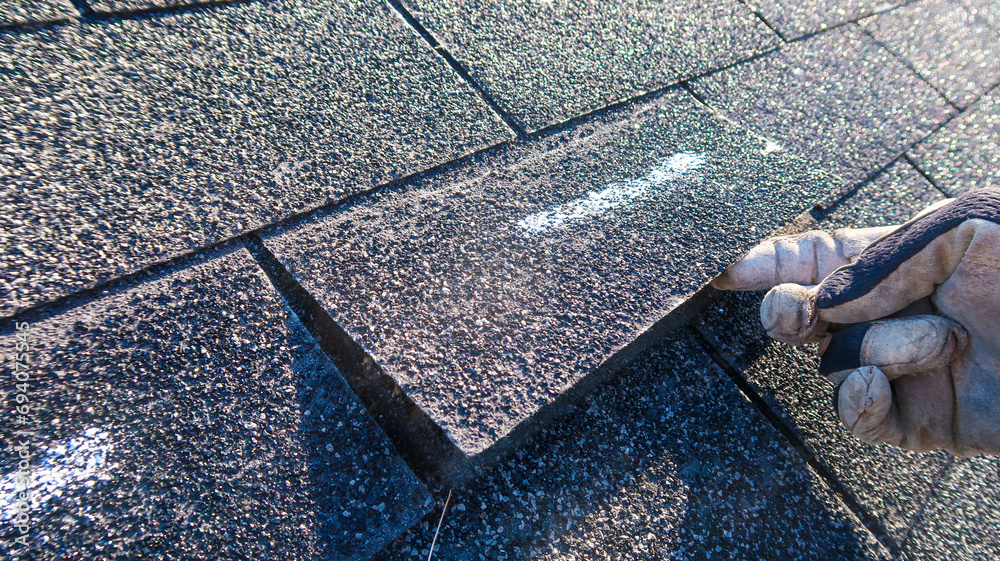
Loss of Sealing Over Time
Roofing systems rely on consistent sealing to remain watertight. As materials age, repeated temperature changes and natural movement can reduce how reliably those seals perform.
Early on, this change is rarely obvious:
Shingles may still lie flat
No visible leaks or staining may be present
Over time, small gaps allow air and moisture to move where they shouldn’t, gradually weakening the system’s resistance to wind and water.
Movement Without Tolerance
Roofs expand and contract every day in response to temperature changes. When a system can’t accommodate that movement evenly, stress begins to concentrate in specific areas.
These stresses are easy to miss:
They develop at seams, transitions, and connections
They rarely cause immediate damage
As movement repeats season after season, components that can’t flex together begin to fatigue — eventually compromising the system even if the roof appears stable from the outside.
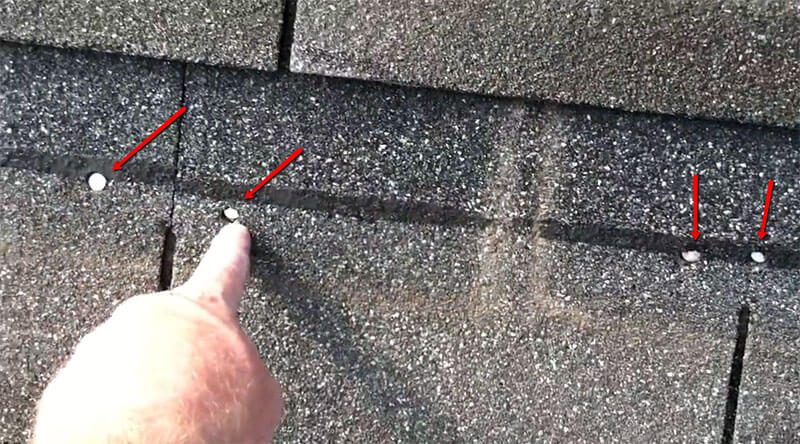
Fasteners Sensivity
Roofing performance depends heavily on how materials are fastened and held in place. Small variations in fastening depth, placement, or pressure can influence how the system responds to movement and load.
Early fastening issues often go unnoticed:
Shingles may appear properly aligned
No immediate lifting or displacement may occur
Over time, repeated stress concentrates around fastening points, increasing the risk of loosening, distortion, or localized failure as the system ages.
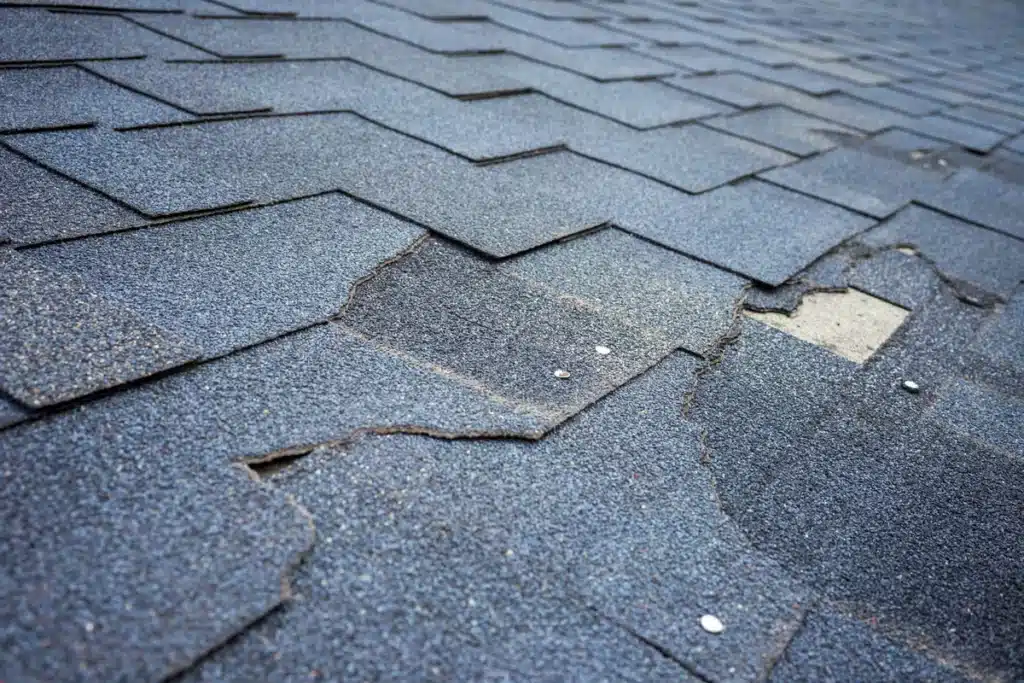
Surface Wear That Accelerates Aging
The surface of a roofing system is designed to protect the materials beneath it from sun exposure, weather, and mechanical wear. As that surface begins to degrade, aging can accelerate.
This process often looks minor at first:
Granule loss may appear uneven or cosmetic
Surface texture may change gradually
As protection diminishes, underlying materials are exposed to greater stress, shortening the roof’s effective lifespan and increasing vulnerability to environmental damage.

Moisture Behavior Changes
Roofs are designed to manage moisture movement in very specific ways. When airflow, drainage, or drying patterns change, moisture can behave differently inside the system.
These changes are rarely visible from the exterior:
Moisture may move laterally instead of draining downward
Damp conditions may persist without obvious leaks
Over time, trapped or redirected moisture can affect multiple components, weakening performance even when the roof looks intact from above.
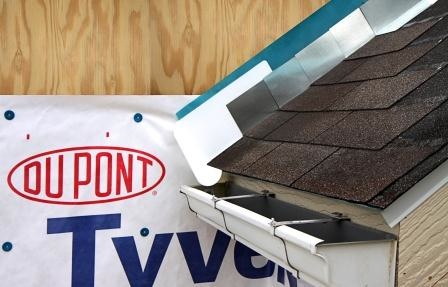
Detailing & Transition Stress
The most complex areas of a roof are often where planes, materials, or systems meet. These transitions require precise detailing to manage movement and water flow effectively.
Stress at these locations develops gradually:
Valleys, walls, chimneys, and edges experience concentrated forces
Minor imperfections may not appear problematic at first
As stresses repeat over time, small weaknesses at transitions can grow, eventually affecting larger sections of the roofing system.
Why “Free Inspections” Often Miss The Real Issue
A roof can look “fine” while the system underneath is under stress.
Most quick inspections only show what’s visible — not how the roof behaves over time.
Often Checked
- Diagnostic, not promotional
- Focused on system behavior
- Designed to provide clear options
What we Evaluate
- Diagnostic, not promotional
- Focused on system behavior
- Designed to provide clear options
Sometimes the right answer is monitoring. Sometimes it’s a repair. Sometimes replacement makes sense — but only after clarity.
Who This is For?
This approach is built for homeowners who value clarity and long term protection – not quick patches and shortcuts.
We are a good fit if you want
- Honest answers without pressure
- Root cause solutions
- Long-term protection
- Clear planning guidance
We may not be a good fit
- You want the cheapest short-term option
- You're looking to "work the insurance angle"
- You want a quote without an evaluation context
- You prefer speed over durability
Where SBS Polymer-modified Shingles Fits (In Simple Terms)
Some roofing materials are engineered to stay flexible and sealed through repeated temperature swings and long-term stress.
SBS polymer-modified systems are one example — designed to reduce common failure patterns like sealing fatigue and cracking caused by movement. * Explore Roofing Systems
The Role of a Roof & Attic Evaluation
Roofing decisions shouldn’t be made based on guesswork, surface symptoms, or pressure. A proper evaluation provides clarity by examining the entire roofing system.
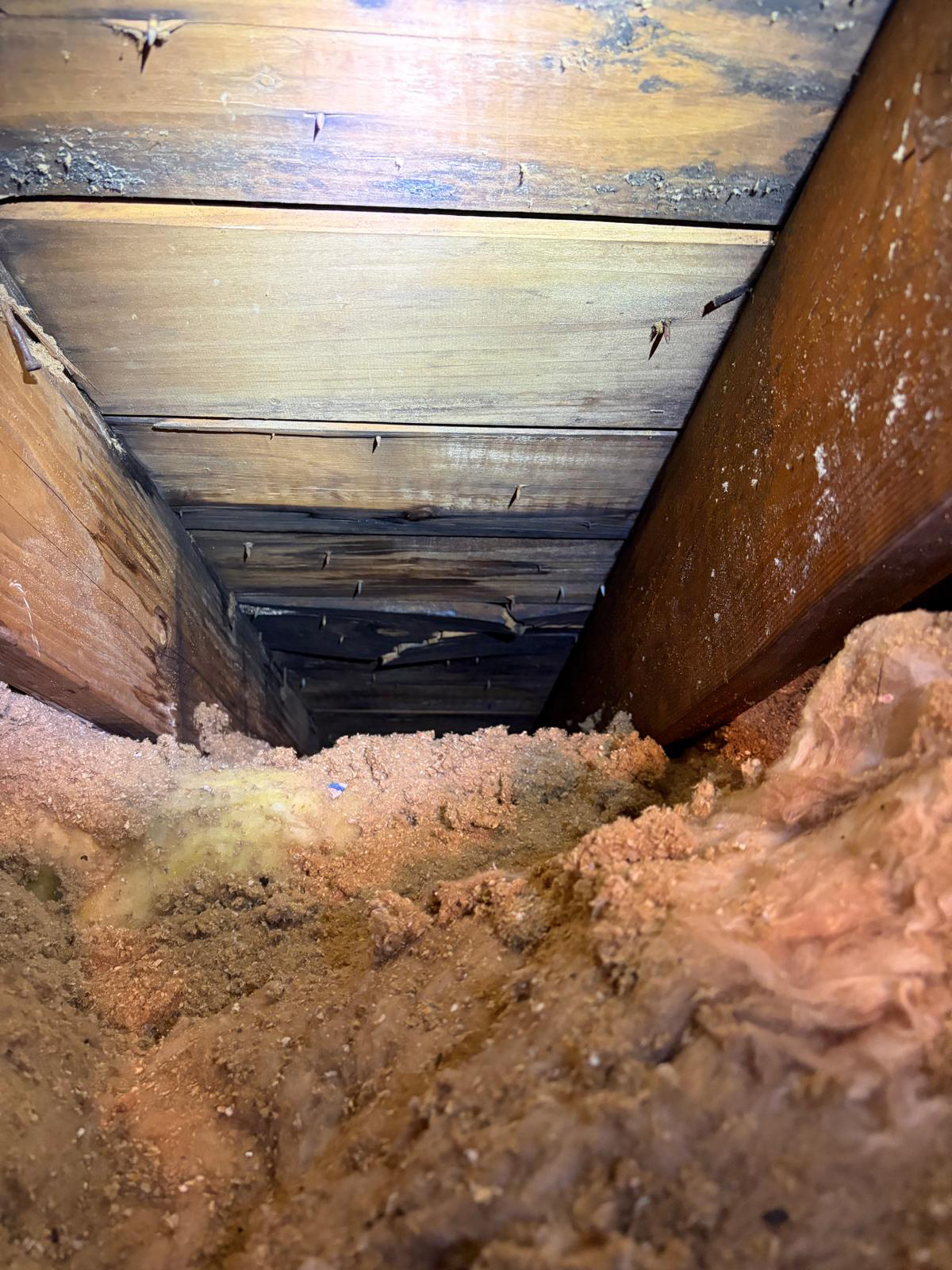
What an Evaluation Clarifies
- Whether issues are isolated or system-related
- How movement, moisture, and ventilation interact over time
- If repair, replacement, or monitoring makes the most sense
- Which risks are present now — and which may develop later
The goal is understanding, not assumptions.
An evaluation is:
- Diagnostic, not promotional
- Focused on system behavior
- Designed to provide clear options
An evaluation is not:
- A sales pitch
- A commitment to replace
- A one-size-fits-all recommendation
If you’re not ready for an evaluation yet, you can also learn how we approach Roof Repairs or how we think through Roof Replacement decisions — no pressure.
The 6 Integrity Systems Behind Long-Term Roof Performance
Preventing roof failure isn’t about chasing symptoms — it starts with understanding how the entire system behaves over time.
Through evaluation and long-term observation, we’ve found that roofs that perform well tend to get a few fundamentals right. We organize those fundamentals as our 6 Integrity Systems, which explain why similar-looking roofs can age very differently — and why problems often seem to appear “suddenly” later.
1️⃣ Material Integrity System™
1. MATERIAL INTEGRITY SYSTEM
Are the surface layers still protecting the roof as intended — or is wear accelerating aging?

2. PENETRATIONS INTEGRITY SYSTEM
Pipes, vents, skylights, and openings are high-stress points. Are they staying sealed and stable?

3. WATER PATH INTEGRITY SYSTEM
Where does water flow — and where does it concentrate? Water paths often explain hidden problems.
4. VENTILATION INTEGRITY SYSTEM
Is the attic staying balanced for heat and moisture — or is trapped stress shortening roof life?
5. PERIMETER WATER INTEGRITY SYSTEM
Are edges and drainage controlling runoff — or is water backing up, overflowing, or soaking vulnerable areas?

6. FLASHING INTEGRITY SYSTEM
At walls, chimneys, and joints — are transitions directing water correctly as the roof moves over time?
If you’re not ready for an evaluation yet, you can also learn how we approach Roof Repairs or how we think through Roof Replacement decisions — no pressure.
Ready for Clarity – Not Guesswork
Roof problems don’t get cheaper with time – but they do get clearer with the right evaluation. If you want to understand your roof before it becomes a bigger issue, this is the next step.
* Clear findings * Honest Guidance * No Pressure