

ROOF GUIDANCE
Why Roofs Fail Early — And What Homeowners Often Miss
Most roof problems do not start with a visible leak. They develop quietly through weak details, aging materials, and system breakdowns long before anything becomes obvious inside the home.
Over time, normal conditions — heat, moisture, and water movement — expose those weaknesses. What looks fine from the ground may already be under stress where it matters most.
A leak is not the beginning of a roof problem. It is the moment the system can no longer hide it.
A Roof Can Look Fine — And Still Be Failing
Many roofs do not fail all at once. They decline through small system weaknesses — penetrations that loosen, flashing that separates, valleys that carry too much water, or ventilation that allows heat and moisture to build up.
By the time a leak appears, the roof has often been under stress for months or years. That is why understanding how roofs fail is more valuable than simply asking how old the roof is.
Why Homeowners Often Get Mixed Answers
A quick look at the surface is not the same as understanding how the roof system is performing.
SURFACE-ONLY INSPECTIONS
A roof may appear fine from below while critical areas are already compromised.
SYMPTOMS WITHOUT CONTEXT
Focusing only on visible issues often misses the underlying cause.
LIMITED SYSTEM PERSPECTIVE
Roof performance depends on how all components work together — not just the shingles.
A leak is not the beginning of a roof problem. It is the moment the system can no longer hide it
THE 6 INTEGRITY SYSTEMS
Where Roofs Actually Begin to Fail
A roof does not fail all at once. It breaks down gradually — through small system failures and weather-driven stress long before anything becomes visible inside your home.
A roof is not just a surface. It is a system — and most failures begin in these six areas.
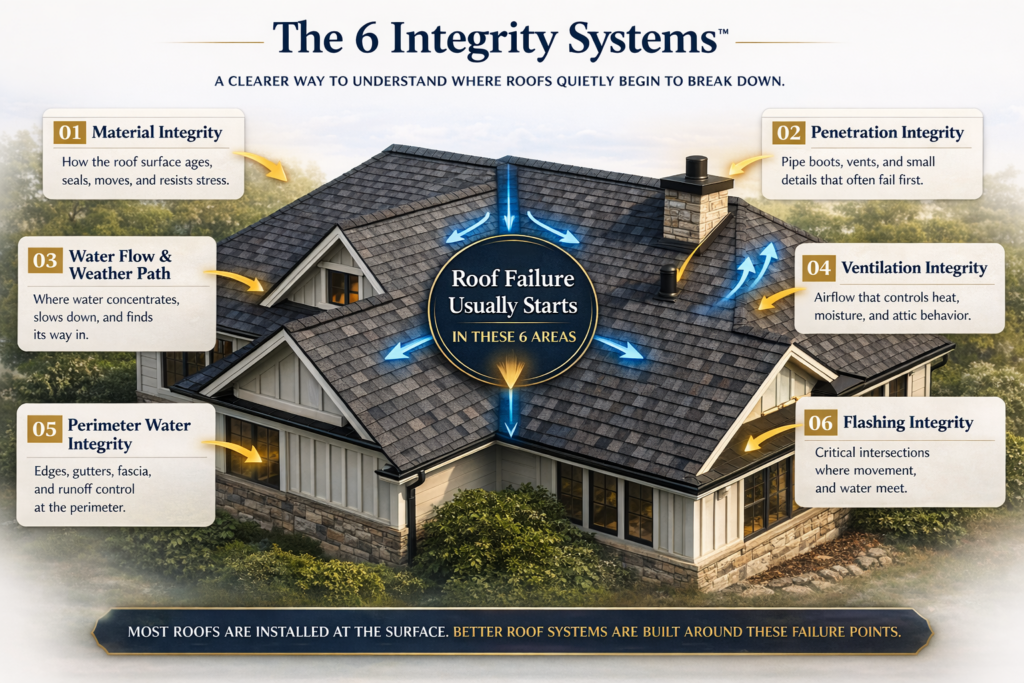
Most roofs are installed at the surface. Better roofs are built around where failure actually begins.
Once you understand how roofs quietly break down, the difference between a standard replacement and a true roofing system becomes much clearer. The goal is not just to replace what you see. It is to solve what causes roofs to fail early in the first place.
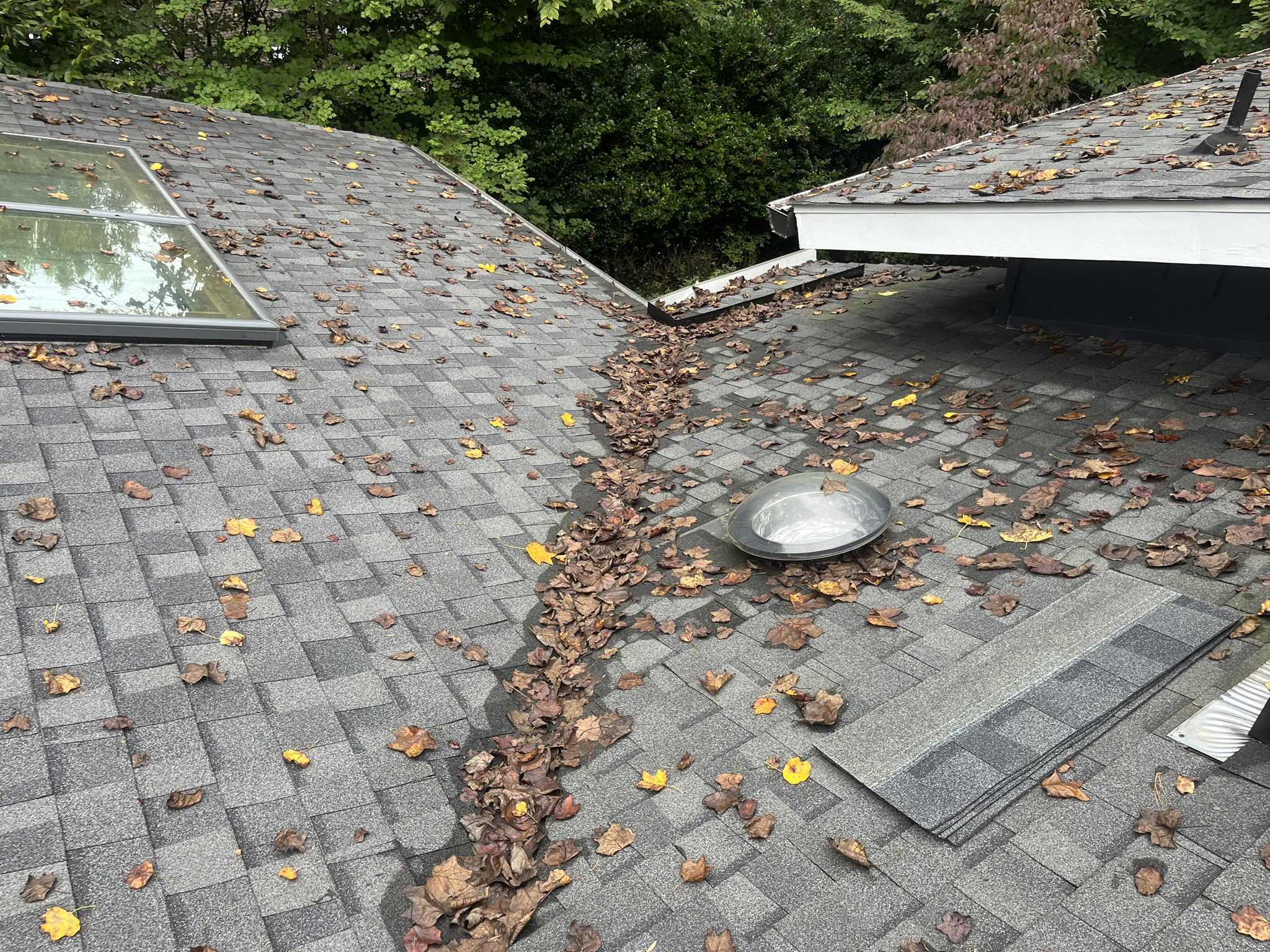
Water Flow & Weather Path
Valleys and slope changes carry the highest volume of water on the roof.
When water flow is redirected by small detailing issues, alignment problems, or debris buildup, moisture starts moving where it should not. This often happens quietly, long before an interior leak appears.
The roof may still look intact from the ground while water is already stressing the system underneath.
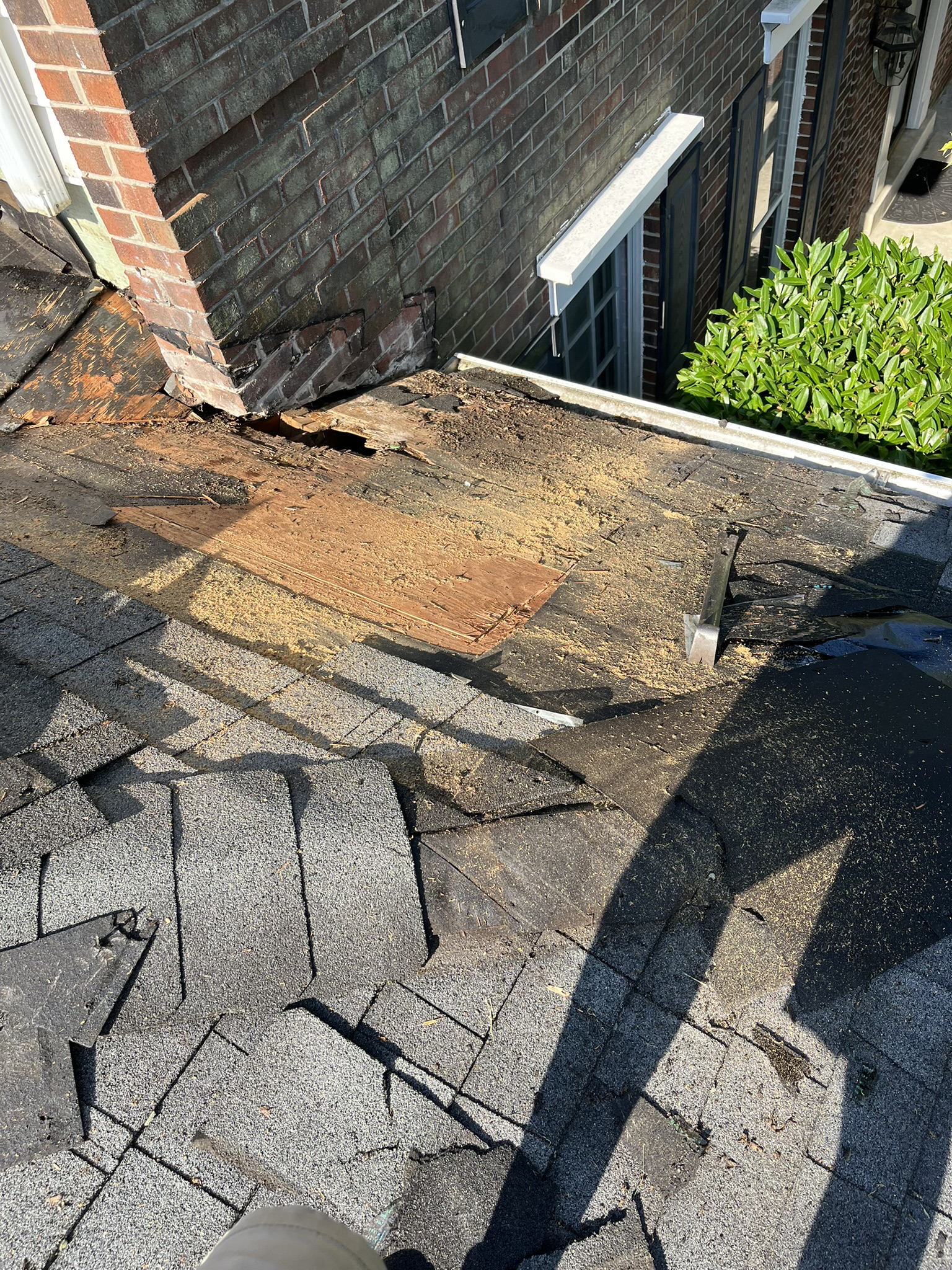
Flashing Integrity
Transitions are where different roof planes and materials meet, making them some of the highest-stress areas on the roof.
As temperatures change, these areas move at different rates. Small gaps, aged sealant, incomplete layers, or weak detailing can slowly break the watertight connection.
Flashing failures usually begin as slow intrusion, not dramatic leaks, so they often go unnoticed until damage spreads.
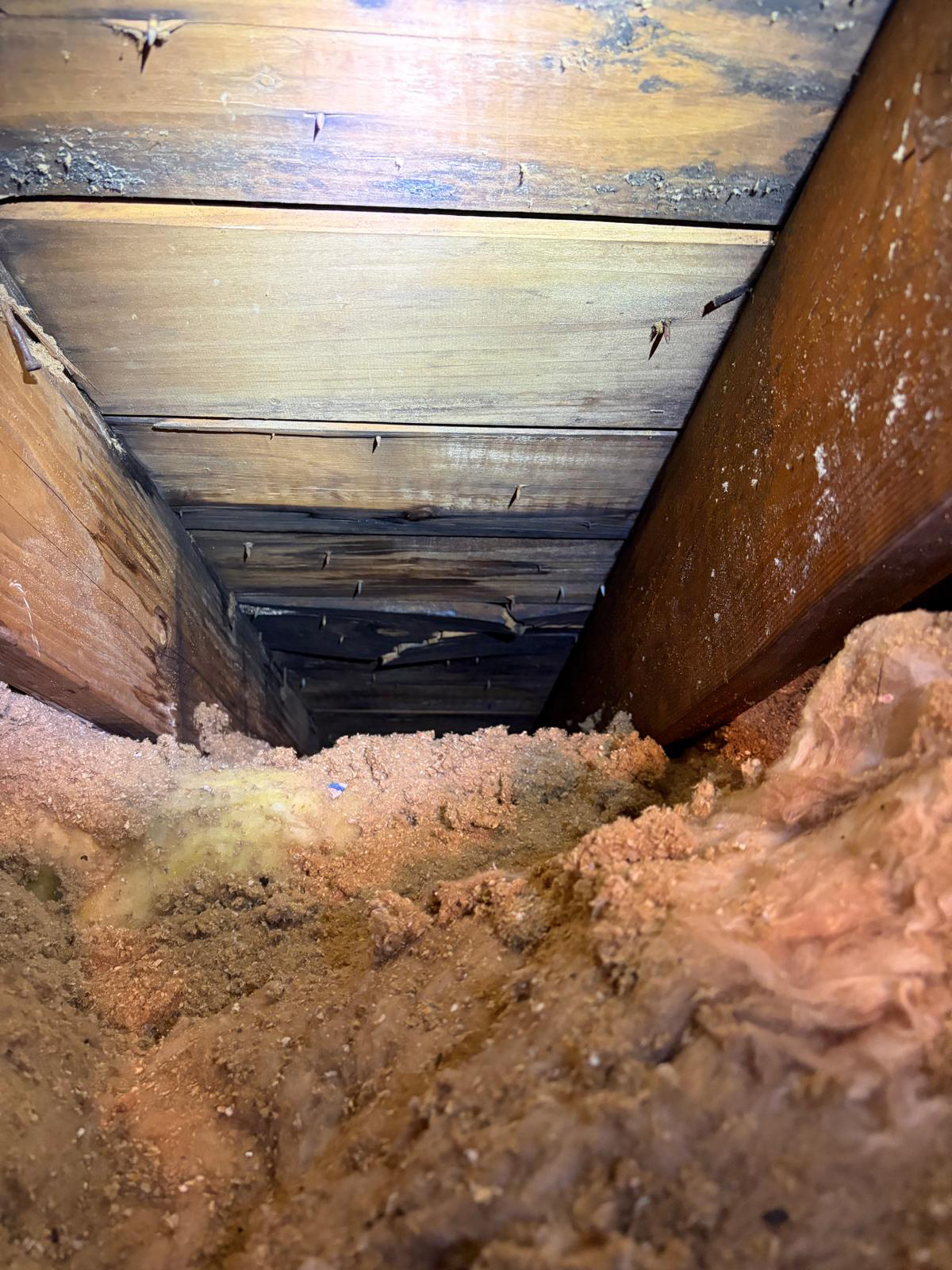
Ventilation Integrity
The attic plays a major role in how the roof ages.
When intake and exhaust are not balanced, heat and moisture get trapped. That internal stress changes how the roof system behaves over time, accelerating aging and reducing sealing reliability.
The exterior can still look fine while the roof is quietly aging faster from the inside out.
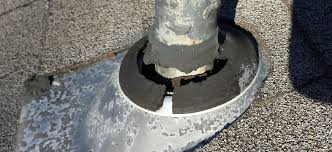
Penetration Integrity
Penetrations are small, but they are among the most common leak points.
Rubber components, seal details, and surrounding materials often age faster than the shingles around them. Over time, tiny failures allow air and moisture to enter in subtle ways.
These areas rarely fail dramatically at first. They usually begin as small weaknesses that surface much later.
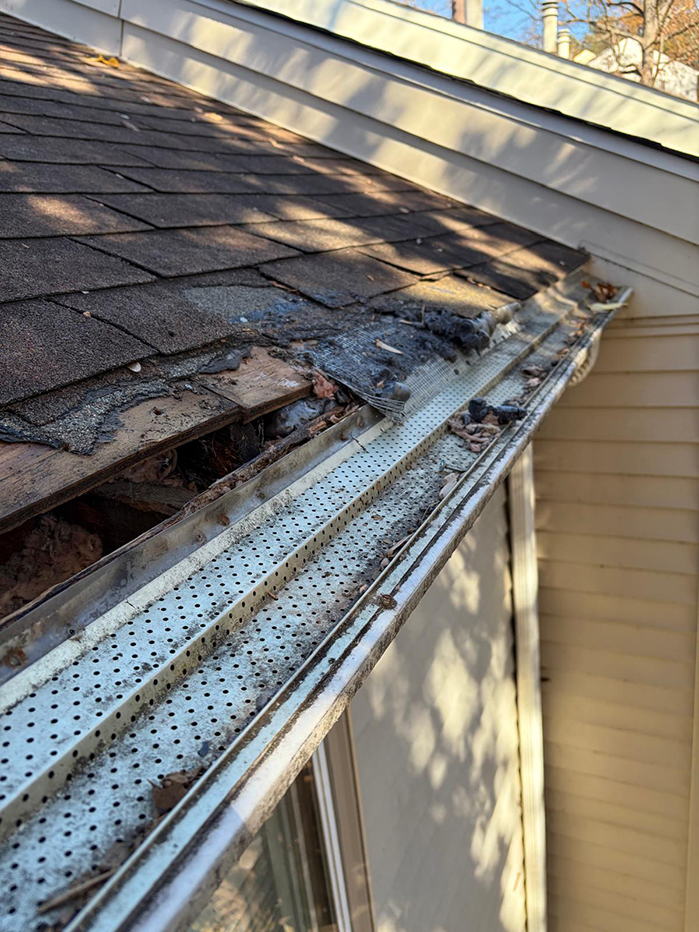
Perimeter Water Integrity
Roof edges are where water is supposed to exit cleanly.
If drainage is restricted or edge details are incomplete, water can back up at the perimeter. This creates added stress at the exact point where the roof should be releasing water, not holding it.
Overflow, debris, or edge wear often looks minor until it starts affecting fascia, decking, or vulnerable edge conditions.
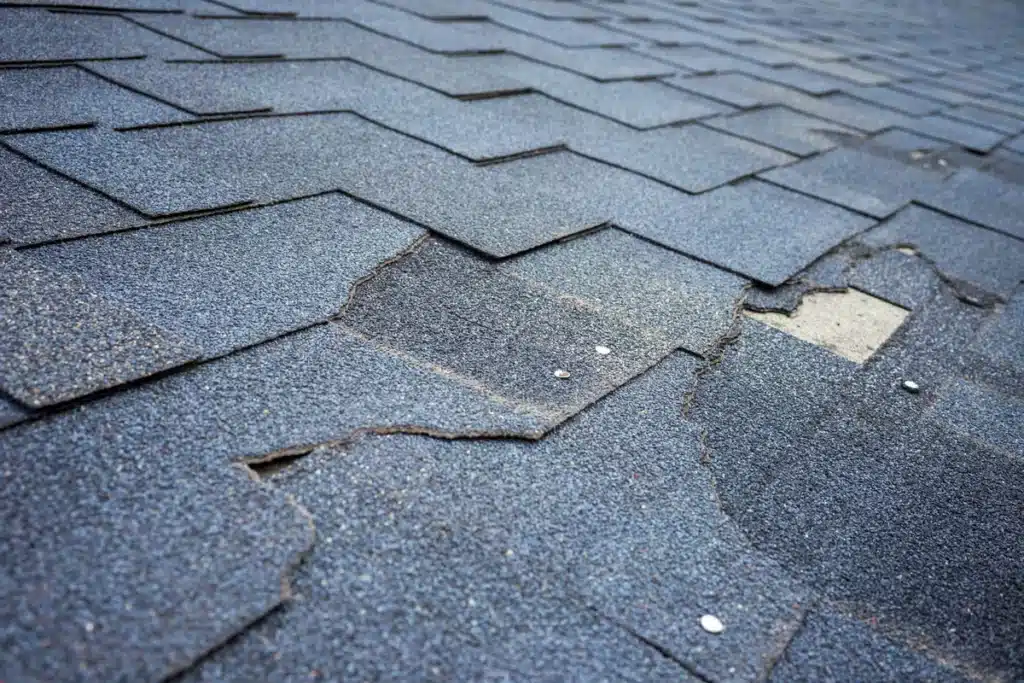
Material Integrity
Even if a roof looks acceptable on the surface, materials may no longer be performing the way they once did.
Over time, roofing materials lose flexibility. As they stiffen, they become less able to handle movement, seasonal expansion and contraction, wind stress, and repeated weather exposure.
Shingles may still appear flat and okay, even while sealing strength and overall resilience are declining.
If This Page Sounds Familiar. The Next Step Is Not Guessing
It’s confirming how your roof is actually performing. A proper evaluation helps you understand the condition of the full system before small weaknesses become expensive problems.
Why This Matters in Bethesda, Rockville & Potomac
Homes in this area often deal with tree coverage, shade, moisture retention, aging materials, and ventilation challenges — all of which can shorten roof life quietly over time.
Roof failure is rarely caused by one event. It is usually the result of small stresses building up in the parts of the system that receive the least attention.
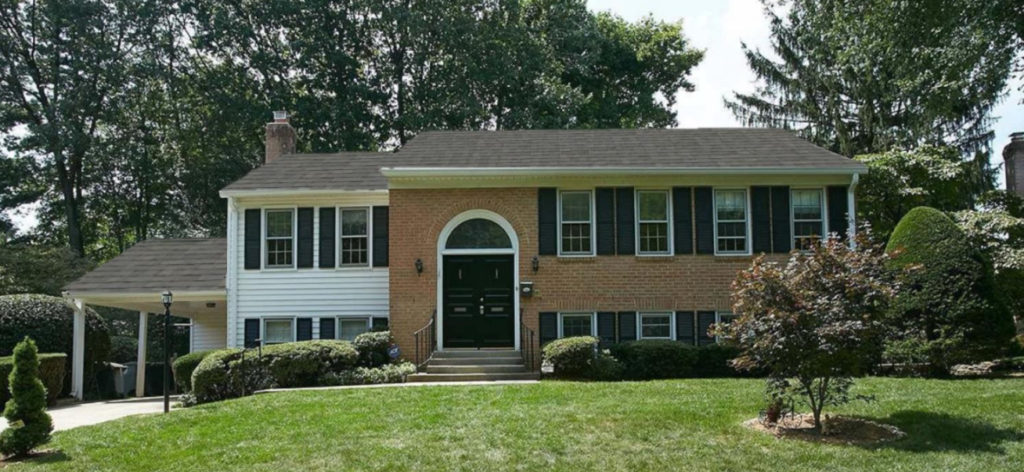
How Everyday Conditions in Maryland Affect Roof Performance Over Time
Why Roofs Fail Quietly Before Homeowners Ever See a Leak
Early failure is rarely about one issue. It usually comes from a combination of material limitations, installation quality, ventilation imbalance, drainage stress, and weak details that deteriorate over time.
While many roofs are marketed to last 30 years or more, real-world performance depends on how the entire system holds up under everyday conditions — heat, moisture, and repeated water movement.
Some roofs reach the end of their life quietly. Others stop performing long before homeowners expect them to.
WHY SOME ROOFS LAST – AND OTHERS DON’T
The difference is not what you see - it is how the roof performs over time.
Most standard shingles gradually become brittle as they age. As flexibility is lost, sealing strength changes — and the roof becomes less capable of handling movement, moisture, and weather-driven stress.
This is why two roofs of the same age cam perform very differently.
Standard Shingles
What most roofs are built with — and why they tend to fail earlier.
- Gradually become brittle over time
- Sealing strength weakens with age
- Struggle with expansion and contraction
- More vulnerable to moisture and weather stress
- Faster material fatigue over time
- Higher risk of cracking, lifting, and early failure
SBS Polymer-Modified Shingles
Built to perform differently — especially over time.
- Maintains flexibility as they age
- More consistent sealing performance
- Adapts to natural roof movement
- Handles real-world weather conditions better
- Slower material fatigue over time
- Help reduce the risk of early system failure
MOST EARLY ROOF FAILURES FOLLOW THE SAME PATTERN
Loss of sealing • Material stiffening • Movement stress • Moisture exposure.
The difference is how well the material handles those conditions over time
The wrong roof decision usually looks fine at first. The better one keeps proving itself over time.
Understand why roofs fail -then choose a roof system built to last in real conditions
A professional roof and attic evaluation gives you clear answers about what is happening, what matters, and what makes sense next — before small issues become expensive ones.
* Clear findings * Honest Guidance * No Pressure
COMMON QUESTIONS HOMEOWNERS ASK
CLEAR ANSWERS, NO PRESSURE — Straightforward guidance to homeowners in Bethesda and Montgomery County move forward with confidence.
Most asphalt shingle roofs in Maryland typically last about 15–20 years, depending on ventilation, installation quality, and exposure to weather and tree coverage. Homes in areas like Bethesda and Montgomery County often experience faster aging due to temperature swings and heavy vegetation.
High-performance SBS polymer-modified shingles can last longer because they remain flexible and resist cracking over time. However, roofs can fail much earlier—sometimes within 1 to 7 years—when installation quality, ventilation, or flashing details are not properly executed.
For this reason, proper installation and roof system design are critical to the true lifespan of a roof.
Most homeowners in our area invest between $15,000 and $30,000+ for a full roof replacement, depending on the size of the home, the complexity of the roof, and the level of system performance they choose.
A roof is not just shingles. It is a system — including ventilation, drainage, flashing, and critical penetrations — that determines how the roof performs over time.
The difference in cost reflects how well those details are handled. Higher-performing systems include balanced ventilation, controlled water flow, new flashing throughout, and long-life pipe flashings designed to eliminate common maintenance issues.
Our role is to help you understand those differences so you can make a clear, confident decision based on long-term performance — not just the initial number.
Yes — many roof problems begin long before a leak appears inside the home.
In Bethesda and Montgomery County, roofs often develop ventilation issues,
flashing failures, or aging shingles years before water becomes visible indoors.
An inspection helps confirm whether the roof is still performing properly
and identifies system issues early before they become expensive repairs.
Not always. Age is only one factor. What matters more is how the roof has performed over time, how it was installed, and how it has handled weather exposure.
We focus on understanding how the roof is performing as a system before making recommendations. That means identifying root causes, not just quoting a replacement.
We review the roof surface, penetrations, drainage paths, and attic conditions to understand how the system is performing. Then we explain what we see and what options make the most sense — clearly and without pressure.